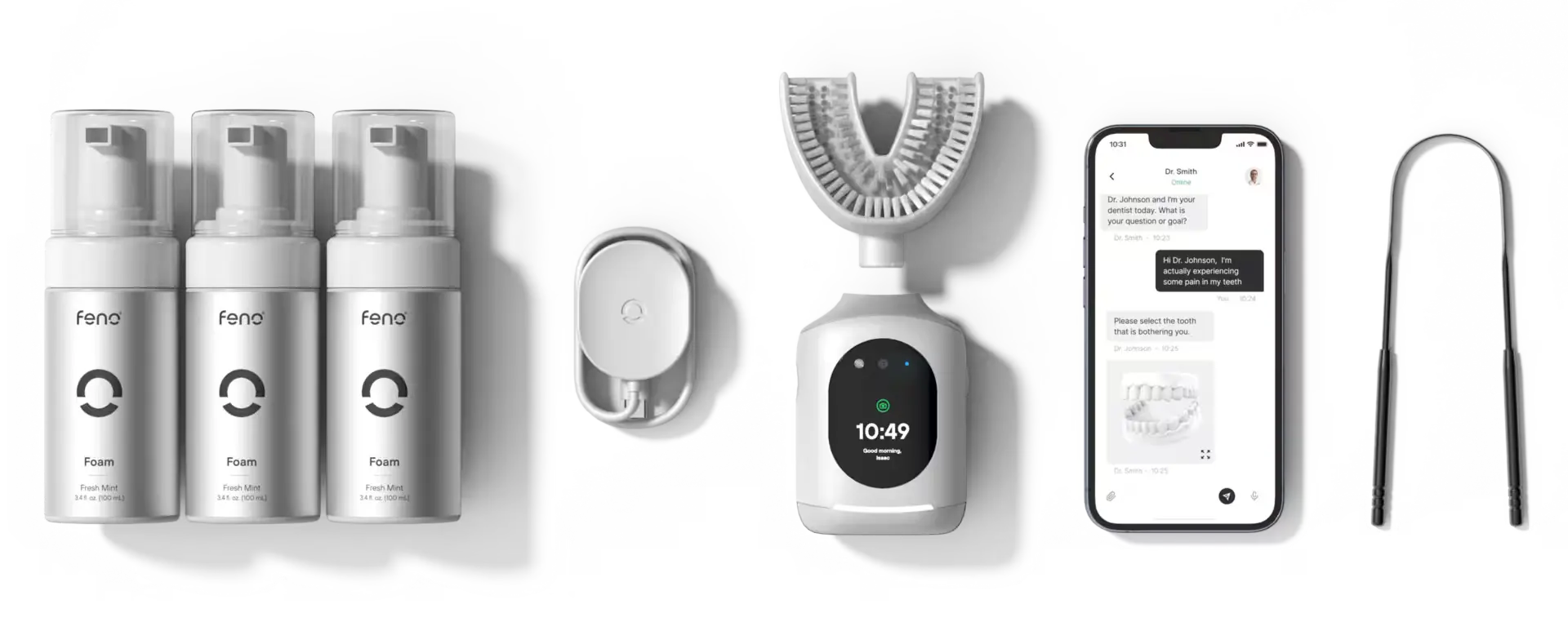

Navigating the World of Smart Oral Care: What Makes a Brush Smart?
Essential Takeaways
- Smart toothbrushes blend advanced sensors with traditional brushing to provide real-time feedback and personalized coaching.
- They track pressure, duration, and coverage to guide users toward more effective brushing techniques.
- Mobile app connectivity transforms brushing into an interactive, data-driven routine that motivates consistent oral care.
- Personalized recommendations help prevent dental issues by refining technique and reducing overbrushing.
- Ergonomic design and extended battery life enhance ease of use, empowering a smarter, healthier dental care routine.
The journey from the first toothbrushes, crafted from twigs and leaves, to today's high-tech, intelligent toothbrush models mirrors humanity's broader technological advancements. This evolution has been marked by significant milestones, from the introduction of nylon bristles in the 1930s to the development of battery-powered brushes a few decades later. However, the fundamental transformation began with the integration of technology in oral care. This progression underscores not just a shift in tools but a fundamental change in how we approach oral care trends. The latest advancements, embodied in smart toothbrushes, highlight a leap from mechanical action to advanced oral care strategies that promote health through precision and personalization.
The Technology Behind Smart Toothbrushes
Key Features of Smartbrushes
Smartbrushes distinguish themselves from traditional toothbrushes through a host of smartbrush features that aim to revolutionize how we approach dental care. They have timers to ensure users brush for the recommended two minutes, and some even come with LED lights to indicate when too much pressure is being applied or when it's time to move to a different section of the mouth. This combination of features supports a more thorough and effective brushing routine, showcasing the significant strides made in innovative dental care devices.
Connectivity and Mobile App Integration
The integration of smart toothbrushes with mobile apps via Bluetooth connectivity marks a significant technological advancement in oral care. The app may also offer fun challenges and rewards to encourage consistent, proper brushing, making it an engaging tool for both children and adults. This seamless connectivity not only enhances the brushing experience but also fosters a deeper understanding of oral health practices.
What Makes a Toothbrush Smart?
Real-Time Feedback on Brushing Habits
Real-time feedback on brushing habits represents a significant leap forward in personal dental care, merging technology with everyday routines to ensure optimal oral health. By providing immediate insights into how we brush, this innovative approach encourages better practices and addresses common mistakes. Here's a detailed look at how these features can make a difference:
-
Pressure Monitoring: This feature is essential for preventing the common issue of brushing too hard, a mistake that can lead to damaged gums and tooth enamel. By alerting users in real-time when excessive pressure is detected, it teaches the importance of gentle brushing. This not only protects oral health but also instills a habit that can have long-lasting benefits, demonstrating the practical application of technology in safeguarding our teeth and gums.
-
Timer Guidance: As mentioned before, adhering to the dentist-recommended two minutes of brushing can be a challenge, but with timer guidance, users receive prompts that ensure every brushing session meets this standard. This feature also includes reminders to switch areas, guaranteeing that all parts of the mouth receive equal attention. Such structured guidance helps to know how a smartbrush works with uneven brushing, promoting a balanced approach to oral hygiene.
-
Coverage Check: The ability to identify missed spots or areas requiring additional focus is a game-changer. This feedback is crucial for preventing plaque buildup and cavities, and addressing areas that are often neglected. By highlighting these shortcomings in real time, the technology ensures a more comprehensive clean, directly contributing to better oral health outcomes.
-
Technique Improvement: Offering personalized tips on improving brushing angles and strokes, this feature tackles the nuances of effective oral hygiene. Optimizing the way users brush ensures a more thorough clean, getting to the root of common problems and enhancing overall dental care. This tailored advice transforms the brushing experience, making it not just a routine but a learning opportunity.
The integration of real-time feedback into brushing habits is more than just a technological advancement; it's a transformative approach to dental hygiene. By addressing common pitfalls, promoting best practices, and personalizing the experience, this innovation stands to significantly improve oral health outcomes.
Tracking Oral Health Over Time
This feature is invaluable for users to see the progression of their habits, understand the impact of their routine on their oral health, and identify areas for improvement. By offering insights into how well different regions of the mouth are being cleaned and how habits change with adjustments in technique or the adoption of new smartbrush features, users can make informed decisions about their oral care routine. This long-term data collection and analysis exemplify how technology in oral care is making strides toward more proactive and preventative oral health strategies.
Choosing the Best Smartbrush for Oral Health
The factors to consider when selecting a smart toothbrush involve effectiveness, user-friendliness, innovative features, and compatibility with individual oral health needs.
Evaluating Effectiveness
Key considerations include the types of sensors used for monitoring brushing habits, the algorithms that analyze and provide feedback on brushing efficiency, and the toothbrush’s ability to adapt to your unique oral health profile. Look for devices that have proven to reduce plaque buildup, improve gum health, and encourage better brushing habits through personalized feedback and guidance.
Considering User-Friendliness
This means ensuring that devices not only boast advanced features but are also accessible and straightforward to use for people of all ages and technological proficiencies. A smart toothbrush that embodies user-friendliness enhances the daily routine of oral care, making it more effective and enjoyable. Here are the aspects that contribute to a user-friendly smart toothbrush:
-
Ergonomic Design: A smart toothbrush should feel like an extension of the hand, fitting comfortably and naturally to avoid any discomfort during use. This means considering various grip styles and ensuring the design does not cause strain even after prolonged use. The goal is to make the brushing experience as pleasant as possible, encouraging regular use and proper technique without the risk of fatigue or discomfort.
-
Intuitive App Interface: The power of a smart toothbrush often lies in its companion app, which should offer a seamless and intuitive user experience. The app's design should be straightforward, with a well-organized layout that allows users to easily access their brushing data, gain insights into their habits, and see their progress over time. An app that is confusing or difficult to navigate can detract from the benefits of smart brushing technology, making this aspect crucial for overall satisfaction.
-
Battery Life: For many users, the convenience of a smart toothbrush is significantly influenced by its battery life. A long-lasting battery is particularly important for those who travel or may not always have immediate access to a charger. The ideal smart toothbrush balances robust performance with power efficiency, ensuring that the device is always ready when needed and reducing the frequency of charges.
-
Ease of Maintenance: The practicality of a smart toothbrush also extends to its maintenance. A user-friendly model should be easy to clean, with straightforward procedures for replacing brush heads and charging the device. Maintenance requirements that are too complex or time-consuming can undermine the benefits of smart technology, making simplicity and ease of care key factors in the user-friendliness of a smart toothbrush.
The essence of user-friendliness in smart toothbrushes lies in their ability to blend advanced technology with simplicity and comfort. By focusing on ergonomic design, intuitive interfaces, long battery life, and ease of maintenance, manufacturers can ensure that their devices not only improve oral health but also enrich the user experience, making daily dental care a more pleasant and effective part of everyone's routine.
Innovative Features to Look For
The latest trends in oral care technology bring a host of innovative features that enhance the brushing experience. These might include AI-driven analysis of brushing techniques, augmented reality (AR) to visually guide brushing, or ultrasonic technology that provides a deeper clean. Artificial intelligence (AI) and machine learning (ML) are revolutionizing the capabilities of smart toothbrushes, moving them beyond basic timers and pressure sensors. By leveraging complex algorithms and neural networks, these technologies enable toothbrushes to detect brushing position, analyze technique, and provide highly personalized feedback. For example, AI-powered brushes can track which areas of the mouth are being cleaned and identify spots that are often missed, prompting users to adjust their habits in real time. ML models continually learn from individual brushing patterns, allowing the device to adapt its guidance and offer predictive oral health insights, such as highlighting areas at risk for plaque buildup or gum issues before they become problems. This proactive approach not only helps users refine their technique but also supports early intervention and better long-term oral health. Ultimately, AI and ML are making smart toothbrushes true partners in preventative dental care, offering tailored coaching and actionable insights for every user. When selecting a smartbrush, consider which of these cutting-edge features aligns with your oral health goals and can offer you the most benefit.
Matching Smartbrush Options with Personal Needs
Everyone's oral health situation is unique, with different sensitivities, problem areas, and preferences. Some may prioritize gum health due to a history of gingivitis, while others might be more focused on plaque removal or whitening. Evaluating the specific features and benefits of a smartbrush against your oral health objectives allows you to choose a device that is tailored to your requirements, ensuring the most effective and satisfying oral care routine.
Specialized Smart Brushes for Diverse Needs
Beyond standard smart toothbrushes, the oral care market now offers specialized models tailored to meet the unique needs of specific populations and challenges. For children, smart brushes incorporate playful elements, interactive games, and real-time guidance to make brushing fun and effective, helping to instill good habits from an early age. Some models use sensors and wrist-worn trackers to monitor technique or employ augmented reality to keep young users engaged and ensure thorough cleaning. For individuals with limited dexterity or disabilities, hands-free smart toothbrushes deliver a full-mouth clean in as little as 20 seconds, requiring minimal manual effort and making effective oral care accessible to those who may struggle with traditional brushing. Additionally, hygiene concerns have led to the development of self-disinfecting smart toothbrushes. These brushes feature built-in UV light or multi-spectrum LED technology that sanitizes bristles between uses, reducing bacterial buildup and supporting a healthier brushing routine. Altogether, these innovations demonstrate a commitment to inclusive oral care, ensuring that everyone, from young children to those with special needs, can benefit from the latest advancements in smart toothbrush technology.
The Future of Oral Care Technology
The Role of AI and Machine Learning
Artificial Intelligence (AI) and Machine Learning (ML) are at the forefront of transforming smart toothbrush technology. These technologies enable toothbrushes to learn from the user's habits, adjust to their brushing technique, and provide customized feedback that evolves. AI can identify patterns in brushing behavior that may lead to dental issues, offering preemptive advice to avoid potential problems. As these technologies mature, we can expect smart toothbrushes to become even more adept at promoting optimal oral health.
Predicting the Next Big Innovations
As we advance, the integration of sophisticated technology into everyday oral hygiene practices is set to redefine our approach to health management. Below are some of the promising innovations we can look forward to:
-
Advanced Plaque Detection Employing Fluorescence Technology: This innovation promises to enhance the effectiveness of daily oral care routines by using fluorescence technology to identify plaque with unparalleled accuracy. By illuminating plaque deposits that are otherwise invisible to the naked eye, this technology ensures that brushing and flossing are more targeted and efficient, significantly reducing the risk of cavities and gum disease.
-
Real-Time Disease Diagnosis: Imagine a world where your toothbrush can alert you to the early signs of dental diseases such as cavities, gingivitis, or even oral cancer. These smart toothbrushes can completely change the way we approach dental care by assessing saliva and the state of teeth and gums in real time. This might enable early intervention and possibly save lives through timely treatment.
-
Nutritional Advice Derived From Saliva Analysis: Building on the capability to analyze saliva, future oral care devices could offer personalized nutritional advice. By detecting markers that indicate deficiencies or imbalances, these devices could recommend dietary adjustments to improve not only oral health but overall well-being, tailoring advice to the unique needs of each user.
-
Health Monitoring Capabilities: Expanding beyond oral health, future technologies could monitor a range of health indicators, such as vitamin deficiencies and hydration levels, through regular oral care routines. This holistic approach to health monitoring would make oral care devices a critical tool in managing and maintaining overall health, emphasizing the importance of oral hygiene in the broader context of personal wellness.
The future of oral care technology holds the promise of transforming mundane routines into powerful sessions of health assessment and improvement. By blending dental hygiene with comprehensive health monitoring, these innovations have the potential to make a profound impact on our daily lives, turning the simple act of brushing our teeth into an integral part of personal health management.
Navigating the selection process for the right smartbrush is more than just choosing a toothbrush; it's about selecting a personal health assistant dedicated to improving your oral hygiene. The journey to finding the perfect smartbrush involves understanding the unique features and benefits that each model offers and matching them with your specific oral health needs and lifestyle preferences. With advancements in smart brushing technology, users can choose a toothbrush that not only cleans but also educates, motivates, and adapts to deliver the best possible care for their teeth and gums. This process, while potentially daunting due to the various options available, is a critical step towards embracing advanced oral care practices and reaping the full benefits of digital toothbrushes. Upgrade your oral care routine with smarter, more effective tools by exploring the latest innovations at Feno.
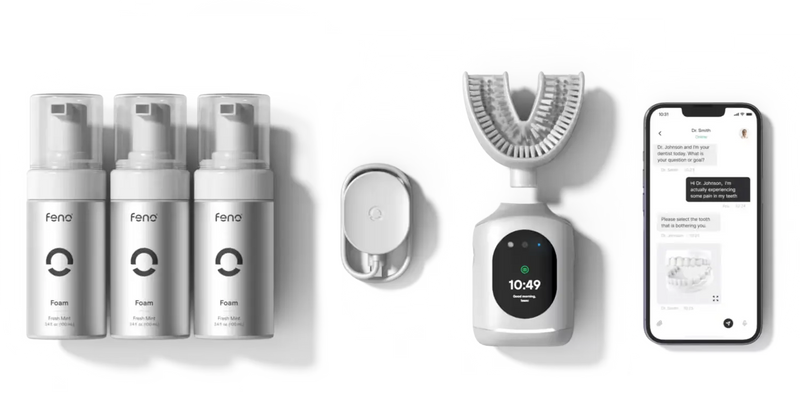
Feno Founders Edition Bundle
Advanced Oral Health in 20 Seconds with the Feno Smartbrush™
Get Yours Now!Meet the Author


We founded Feno to revolutionize dental care, understanding the vital connection between oral and overall health. Our tech driven products offer more than superb cleaning—they give you routine & insightful health monitoring to help improve your overall health.
View more on LinkedIn


Founders Edition Bundle
Complete + revolutionary oral care kit